How to Play WARDOGS: Beginner Guide
WARDOGS is easiest to understand when you stop treating it like a standard round-based shooter. Official game material frames it as 100-player, three-team tactical warfare built around a persistent cash economy, a randomized Control Zone and a large battlefield where transport, revives, building and destruction all matter.
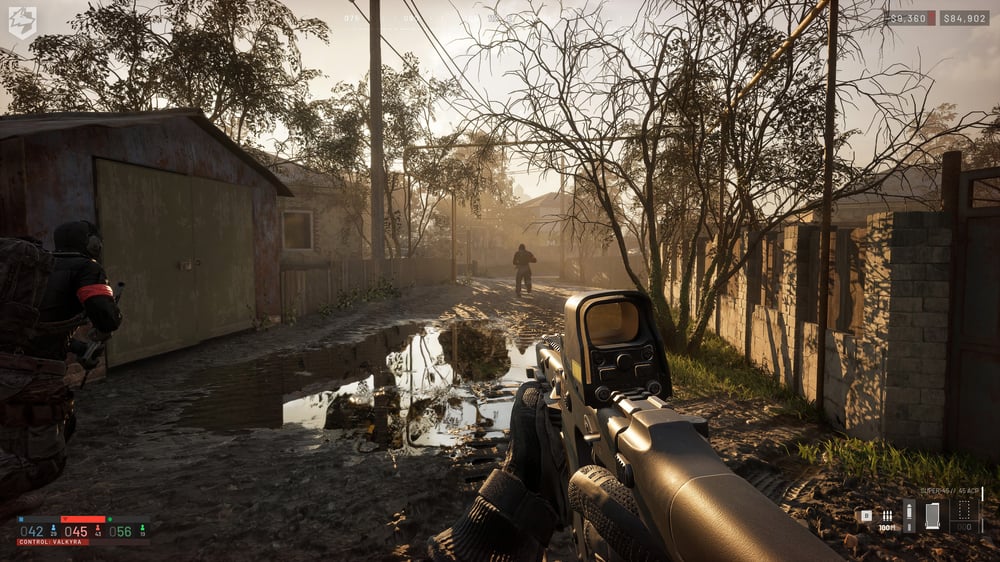
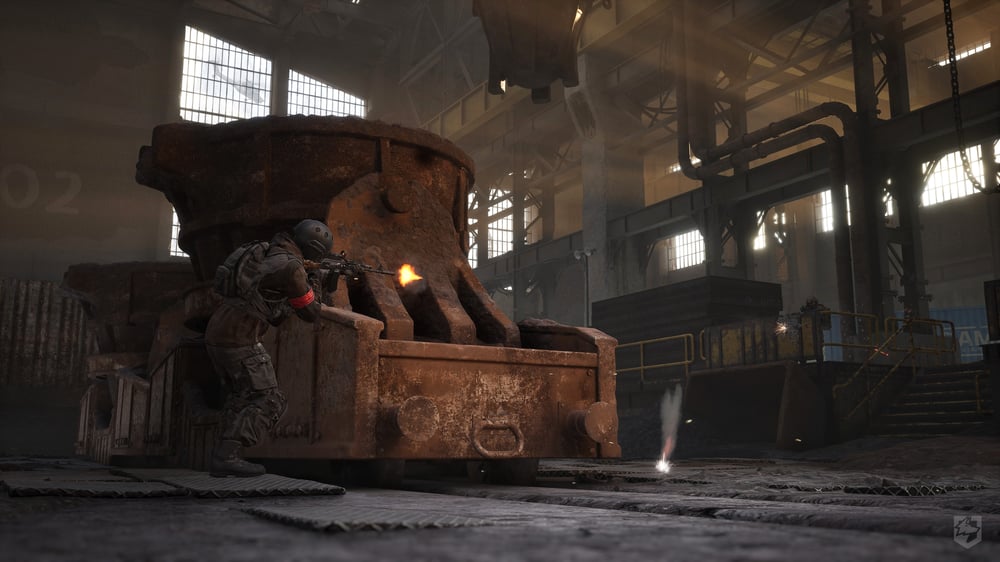
The one-sentence version of WARDOGS
Spawn with money, buy a loadout, move toward the current objective, do useful work for your team, and avoid wasting cash on gear you cannot turn into value.
Watch the battlefield loop once
Understand the win condition first
The most important rule is the official scoring rule: the team with the most players in the active Control Zone earns points, and the first team to 100 points wins.
That means you should constantly ask:
- Where is the Control Zone?
- How do I get there?
- How can I help my team stay effective there?
Eliminations matter, but they matter most when they support the objective.
Pick a role by the task you want to do
Official Season 1 material names five progression tracks: Career, Medic, Support, Driver and Pilot. You do not need to lock yourself into one identity immediately, but these tracks are useful mental models for learning the sandbox.
- Career: a general progression track with several broad unlocks.
- Medic: naturally fits revive-focused support play.
- Support: connects well to construction and supply-oriented tasks.
- Driver: useful for ground transport and ground-vehicle progression.
- Pilot: useful when you want to learn helicopter and air-transport play.
Your first-match priorities
Learn money by doing useful work
Do not think of money as a separate menu system. It is tied to actions on the battlefield. The game rewards useful team behavior, and cash persists, so a low-risk support life can be economically meaningful even if it produces fewer eliminations.
Start with actions the publisher explicitly confirms: objective participation, revives and transport. Once you understand those, move into logistics and the FOB guide if construction and supply runs interest you.
Vehicles: use them with a purpose
WARDOGS is a combined-arms game, but vehicles are also economy decisions. Official Season 1 material names vehicles such as the Z20 Lakota, URAL, Dune Buggy, Kodiak variants, Humvee with minigun, Heavy Tank and Artillery Tank. That does not mean a new player needs to buy or operate the most powerful-looking option immediately.
For a first session, a vehicle is easiest to understand when it solves a clear problem: moving players, moving supplies, reaching the objective or supporting a push. The Vehicles hub separates verified entity information from unsupported armor, speed and damage claims.
Building and forward bases
WARDOGS includes building and destruction. A forward operating base can become part of a team’s logistics and map-control plan, but you do not need to learn the full workflow on your first spawn. Once the basic objective is familiar, the FOB guide explains the current building context and keeps official values separate from community-observed operating details.
A practical first-match checklist
- Locate the Control Zone.
- Buy a loadout you can afford to lose.
- Move with teammates instead of crossing the map alone.
- Spend several minutes contributing near the objective.
- Try one support action: revive, transport or another useful team task.
- Watch how vehicles and supply routes connect the wider map to the fight.
- After the match, check what actually cost you money and what produced value.
- Use one deeper Wiki guide for the system you want to learn next.
What to read next
If cash feels confusing, go to Money. If the fight feels geographically confusing, go to Map and Control Zone. If you want a defined support role, try the Medic guide. If you want construction and logistics, use FOB Building. If you are struggling to find the right server, use Community Servers.