WARDOGS FOB Guide: Building, Supplies & Drill Rigs
A Forward Operating Base (FOB) is part of WARDOGS’ building and logistics layer. It gives support-oriented players a way to influence the battlefield through construction rather than only through direct combat. Official Season 1 material confirms that FOBs and building tools are tied to both the economy and progression system.
Verified Season 1 anchors: the FOB vendor price was raised to $7,500, the Large Hammer vendor price to $2,400, and the Large Hammer unlock moved to Support level 8 in the Season 1 changelog snapshot used by this Wiki.
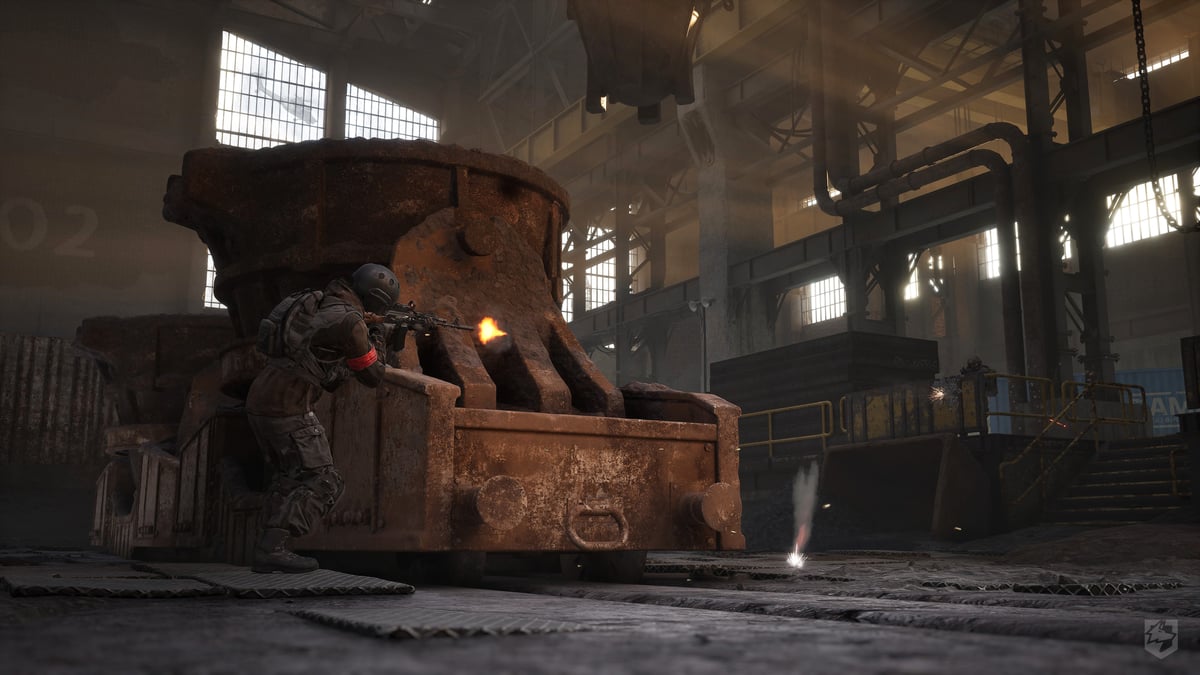
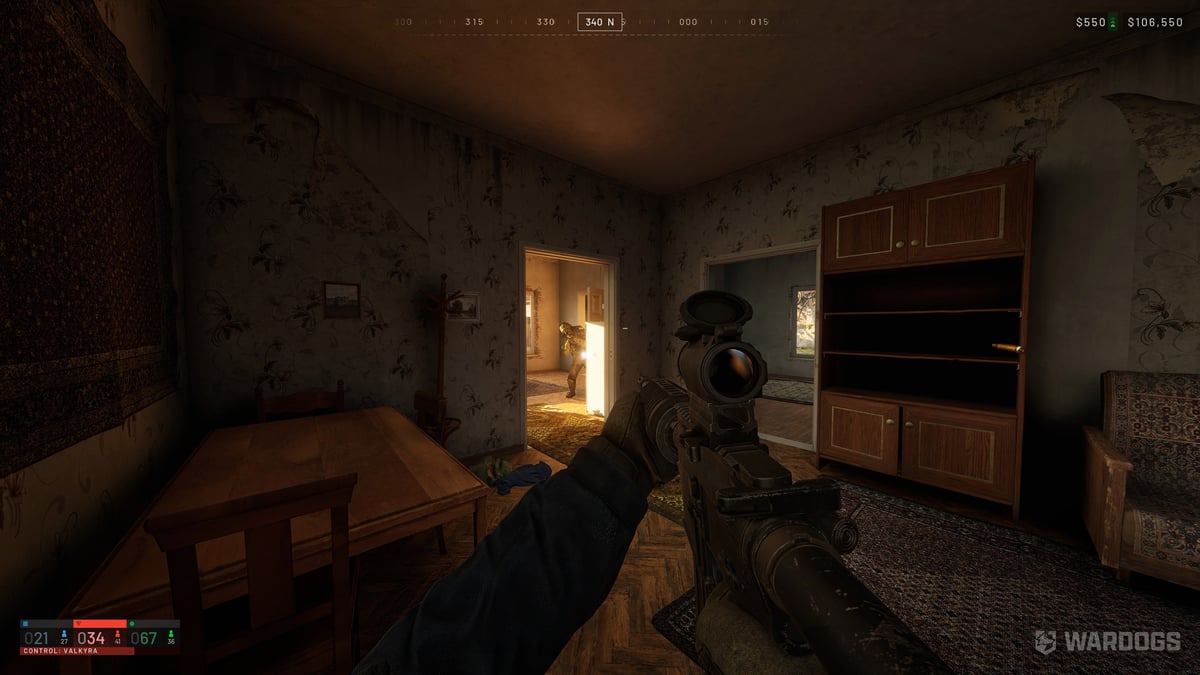
What an FOB is trying to solve
The map is much larger than the active scoring zone. A forward position can help a team reduce travel friction, support logistics or create a place from which players can influence the surrounding fight. That is why FOB building belongs in the same strategic conversation as vehicles, supply movement and objective positioning.
A base that is far from useful activity can still consume money, time and supply. The first FOB question should therefore be “what problem does this location solve?” rather than “where can I build?”
Before you build
Read the Control Zone
The active Control Zone is the main scoring objective. A forward position is most valuable when it helps friendly players sustain pressure, approach the zone or support another useful map system. Building without checking the current objective risks creating a base that the match has already moved away from strategically.
Check the economic cost
The verified $7,500 FOB price means the decision is meaningful in a persistent-cash game. The cost should be compared with other uses of that money, including loadouts and vehicles. Construction is not free background utility.
Plan supply and protection
A useful forward position needs follow-through. Current player guides discuss supply movement and Drill Rigs in connection with FOB play. Exact resource quantities are not fully established in the official source set, but the strategic requirement is clear: a position that cannot be supplied or protected may not justify the setup cost.
How the support loop connects
Large Hammer and Support progression
The Season 1 changelog names the Large Hammer and places it on the Support track at level 8 in the current snapshot. That links construction to role progression rather than treating it as a universal menu action with no specialization.
This also makes the Progression page relevant to builders: role-track changes can affect when construction-focused equipment becomes available.
See the broader battlefield context
FOBs and Drill Rigs
Current same-game guides connect Drill Rigs to forward-base play and reported Hot Zone influence. The Drills guide explains that mechanic separately because exact operating details remain more community-documented than developer-documented.
The practical takeaway is that building can be more than defensive cover. A forward position can support an active strategic system, provided the team is willing to supply and use it.
FOBs and logistics
WARDOGS explicitly presents supply transport and team support as valid ways to play. On a 256 km² battlefield, logistics can determine whether players arrive at the scoring area with useful equipment or whether a forward plan stalls before it matters.
Use Logistics Money for the economic side of support play. This page focuses on why the base exists and how to think about its cost.
Common building mistakes
Building because a spot looks defensible
A defensible location is not automatically a useful location. The position should connect to the Control Zone, a transport route, a supply task or another concrete team objective.
Spending without follow-up
A $7,500 structure in a persistent economy should have a purpose. If no one is moving supplies, spawning nearby, protecting the area or using the position to influence the fight, the team may have converted cash into scenery.
Copying old exact values
Early Access balance changes quickly. Even role-track levels and vehicle prices changed in the Season 1 launch material. Treat exact construction values from old videos or guides as patch-sensitive until verified.
FOB checklist
- Locate the current Control Zone.
- Decide what the base should enable.
- Confirm the cost is justified relative to other purchases.
- Make sure supply movement is possible.
- Make sure someone will actually use or protect the position.
- Re-evaluate if the match flow changes.