WARDOGS Helicopters: Air Vehicles & Controls Guide
The current verified WARDOGS air-vehicle data includes the Z20 Lakota, which appears in official Season 1 material. The same material establishes Pilot as a progression track and includes air-vehicle economy balancing, confirming that helicopter play is part of the live progression/economy loop.
Control boundary: the current source set does not provide a complete official control diagram or flight-model specification. Keybind and Flight Assist details found in same-game guides should be treated as current gameplay reporting and checked against the live settings menu after patches.

What helicopters are for
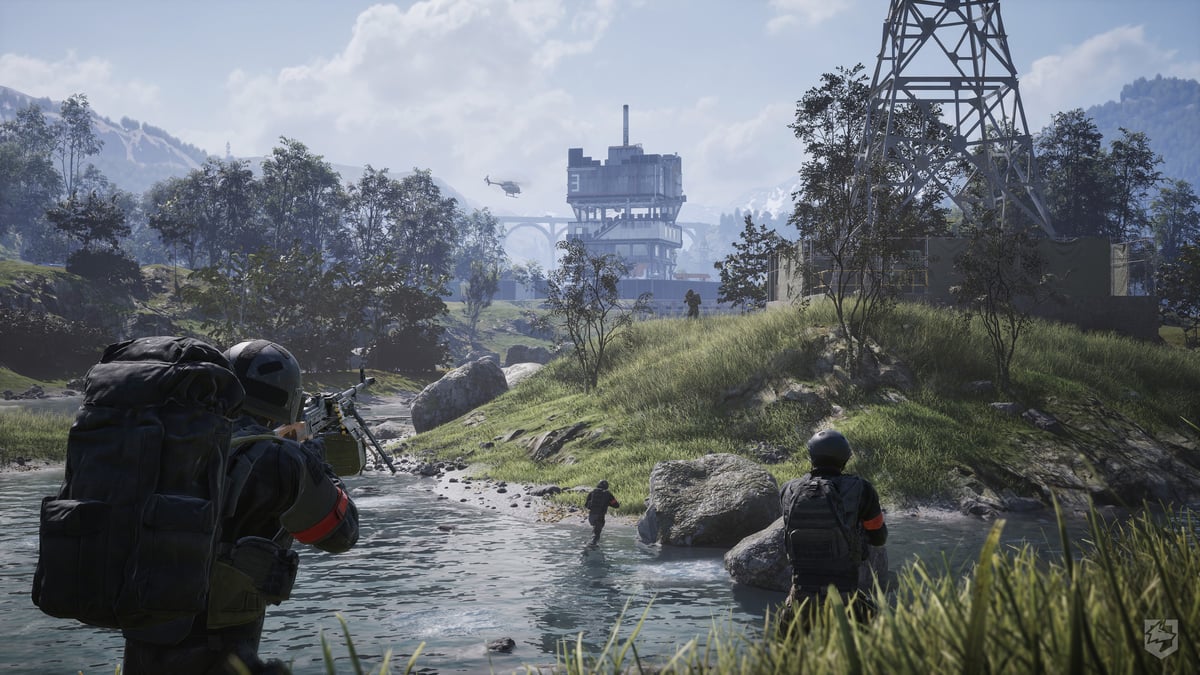
The 256 km² battlefield gives air transport an obvious role: moving players quickly across distance. Team17 explicitly lists transporting friendlies as a cash-rewarded teamplay action, so a successful pilot can create both strategic and economic value.
The useful question is not “can I fly?” but “what am I moving, where, and why?” A helicopter that deposits useful players near the Control Zone can have a different value from one that circles the map without contributing to the objective.
Verified air-vehicle entity
Z20 Lakota
The Z20 Lakota is named in official Season 1 balance material. That changelog includes a Pilot-linked price adjustment from $50,000 to $35,000 in the snapshot used by this Wiki. Because WARDOGS is in Early Access, treat that exact price as patch-sensitive rather than permanent.
This page does not invent speed, armor, seat count or weapon statistics that are not present in the verified data set.
Pilot progression
Pilot is one of the five progression tracks explicitly named in the Season 1 changelog. If air play is your main role, progression changes can directly affect access to related equipment and vehicles. Use Progression for the role structure rather than relying on an old unlock graphic.
Flight controls and assists
Players searching for helicopter controls, flight assists and keybinds should use the current in-game settings screen as the final authority. Community guides can help explain technique, but this Wiki does not hard-code unverified default keys into a permanent table.
This matters because keybinds can be changed locally and control behavior can evolve during Early Access.
Parachute context
Official Season 1 material names the Sports Parachute and moved its Career unlock from level 36 to level 35 in the snapshot. That establishes parachute equipment as a real progression entity. Exact deployment controls should still be checked in the current build rather than assumed from an old guide.
Air transport as money-making
Transporting friendlies is a publisher-confirmed earning action, but vehicle purchase cost changes the risk profile. A pilot who repeatedly moves useful players may justify a vehicle expense differently from a pilot who loses the aircraft immediately.
See Pilot Money for the economic framework and Control Zone for the destination that usually gives transport its tactical purpose.
Pilot checklist
- Check the current Control Zone before takeoff.
- Decide whether the flight is transport, supply or another clear task.
- Verify your current controls in settings.
- Keep persistent vehicle cost in mind.
- Favor repeatable useful trips over risky spectacle.
- Re-check patch notes when flight behavior or progression changes.